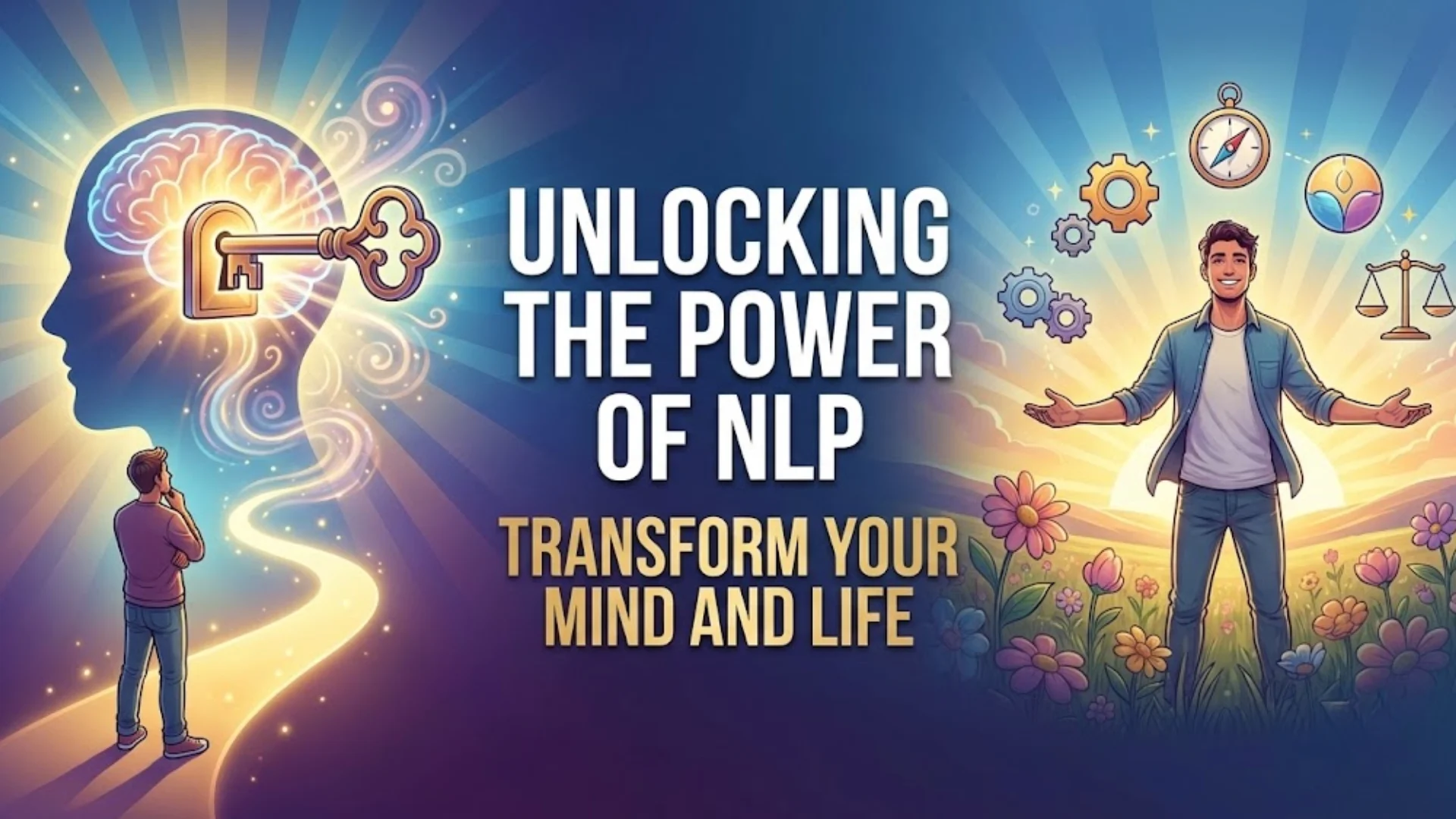
Unlocking the Power of NLP: A Student’s Guide to Better Focus and Confidence
Transform your mind and overcome academic anxiety with practical techniques
What is NLP?
Neuro-Linguistic Programming (NLP) is a powerful psychological NLP approach that helps you understand and reshape the connection between your thoughts, language, and behaviors. Developed in the 1970s by Richard Bandler and John Grinder, NLP is based on a simple yet profound idea: our subjective experience of the world is filtered through our senses and internal representations, which ultimately shape how we perceive reality and respond to situations.
Breaking Down NLP:
Neuro – Your mind and nervous system
Linguistic – Your language and communication
Programming – Your patterns and habitual responses
In simple terms, NLP helps you notice your negative patterns—those automatic thoughts, feelings, and reactions that hold you back—and then use language and imagination to create new, more helpful patterns. The ultimate goal is to improve your confidence, communication skills, and emotional control in daily life.
Core NLP Concepts You Should Know
NLP encompasses numerous techniques that appear across various applications. Here are the fundamental concepts that form the foundation of this transformative approach:
Anchoring – Connecting a calm or confident feeling to a simple physical action.
Reframing – Changing your perspective on a situation so it feels more manageable and empowering.
Visualization – Using vivid mental images to shift mood, boost motivation, and prepare for challenges.
Language Patterns – Transforming negative self-talk into supportive, empowering internal dialogue.
Dissociation – Mentally stepping back from stressful memories so they feel less intense.
Why Students Need NLP
Student life comes with unique pressures: exams, presentations, social dynamics, and the constant pressure to perform. Many students experience anxiety that interferes with their ability to show what they truly know. NLP offers practical, easy-to-implement tools that can be practiced daily to build resilience and confidence.
Common struggles students face:
- “I freeze during exams even though I studied thoroughly.”
- “I constantly compare myself with high achievers and feel inadequate.”
- “I overthink what friends or teachers think about me.”
- “Anxiety before presentations makes me forget everything I prepared.”
Sound familiar? You’re not alone. These challenges are common, but they don’t have to control your academic experience. NLP provides the tools to take back that control.
Practical NLP Techniques for Students
1. Identify Your Stress Triggers
The first step in managing anxiety is understanding what triggers it. For students, common triggers include upcoming exams, fear of poor grades, competitive environments, or social situations. NLP encourages you to identify the mental and physical signals that show stress is rising.
2. Create Your Calm Anchor
Anchoring is one of NLP’s most powerful tools. Think back to a moment when you felt truly calm or confident. Recall it vividly, and connect that feeling to a small physical action (like pressing your thumb and forefinger together). Repeat this across several days to strengthen the link.
Later, when anxiety hits, activating your anchor can instantly re-trigger that calm feeling.
3. Reframe Negative Self-Talk
Students often battle harsh inner criticism. NLP teaches reframing — shifting from “I’ll fail” to “I’m preparing myself, and I can improve.” This creates resilience instead of fear.
4. Use Future Pacing for Success
Future pacing is a visualization method where you mentally rehearse success before the real event. Imagine the entire exam day going smoothly — from waking up confident to writing answers clearly. This primes your brain for confidence instead of fear.
The Path Forward
NLP offers students practical, easy-to-learn tools that empower them mentally and emotionally. With regular practice, these techniques reduce anxiety, improve focus, and build genuine confidence — shaping a resilient mindset that supports academic and personal growth.
Start small. Choose one technique and practice it for a week. Notice the changes. Your mind is more powerful than you think — NLP helps you use that power intentionally.
